Source Restaurant Kitchen Equipment for Cafes, Hotels, and Catering
Compare 14 listings of restaurant kitchen equipment tailored for commercial kitchens, catering services, and fast food operations. Buyers can evaluate customized sizes, voltage options, and design services from verified suppliers in Guangdong, China; compare the available evidence and request quotations based on your requirements.
Key considerations
Products List


Comprehensive Sourcing Guide
Restaurant Kitchen Equipment Sourcing Guide
Sourcing commercial-grade cooking systems for restaurant environments requires a disciplined approach to aligning technical specifications with operational workflows. Buyers must prioritize equipment that supports high-volume throughput while maintaining consistent performance under sustained heat and usage. The decision-making process begins with defining the specific culinary needs of the establishment, ensuring that every piece of machinery contributes to efficiency rather than creating bottlenecks in the kitchen line.
Procurement teams should evaluate suppliers based on their ability to provide customized solutions rather than off-the-shelf products. Many modern suppliers offer OEM and ODM services, allowing restaurants to tailor equipment dimensions, voltage requirements, and functional features to their unique space constraints and menu demands. This customization capability is critical for maximizing floor space utilization and ensuring that the equipment integrates seamlessly with existing kitchen infrastructure and workflow patterns.
Product Scope and Observed Listing Signals
The current market for restaurant kitchen equipment displays a wide variance in pricing, ranging from approximately two hundred to over eight thousand seven hundred US dollars per unit. This broad spectrum reflects differences in material quality, technological complexity, and brand positioning. Buyers should interpret these price points as indicators of the equipment’s intended durability and feature set, rather than assuming that higher costs automatically guarantee superior performance in all operational contexts.
Minimum order quantities typically start at one set, indicating that suppliers are flexible enough to accommodate individual restaurant needs without forcing bulk purchases. This flexibility is particularly beneficial for small to medium-sized establishments that require specific, high-quality units rather than large-scale industrial installations. The availability of single-unit orders allows buyers to test equipment performance before committing to larger fleet purchases, reducing initial capital risk and enabling more informed scaling decisions.
Technical Specifications to Verify
Voltage compatibility is a primary technical consideration, with many units operating on standard 220V systems suitable for commercial kitchens. Buyers must verify that the electrical infrastructure of their facility can support the power demands of the selected equipment to prevent circuit overloads or operational failures. Additionally, the presence of timing devices and presetting features enhances operational consistency, allowing kitchen staff to maintain precise cooking parameters without constant manual monitoring.
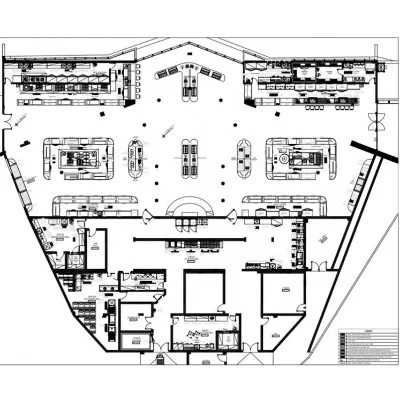
Physical dimensions and material thickness are often customizable according to specific demand, ensuring that equipment fits precisely within the designated kitchen layout. Suppliers frequently offer 3D kitchen design services and quick drawing approvals to help buyers visualize the final installation. Verifying these spatial constraints early in the procurement process prevents costly modifications during installation and ensures that the equipment aligns with ergonomic standards and safety clearances required in busy commercial environments.
Compliance and Safety Documentation
While specific certification statuses are not universally disclosed in general listings, buyers must insist on documentation that verifies compliance with local electrical and safety standards. This includes verifying that the equipment meets regional requirements for commercial kitchen appliances, such as proper grounding, insulation ratings, and fire safety mechanisms. Requesting detailed technical manuals and safety data sheets is essential for ensuring that the installation team and kitchen staff understand the operational limits and maintenance requirements of each unit.
Packaging standards also play a role in safety and product integrity during transit. Equipment is typically packed using PE foam, corner protectors, cartons, and wooden frames to prevent damage during shipping. Buyers should confirm that the packaging method is robust enough to withstand international logistics, particularly when sourcing from regions like Guangdong, China. Proper packaging ensures that the equipment arrives in pristine condition, reducing the risk of receiving damaged units that could compromise kitchen safety and operational continuity.
Cost Drivers and Commercial Terms
The total cost of ownership extends beyond the initial purchase price to include installation, training, and long-term maintenance. Suppliers often provide comprehensive support services, including installation guidance, staff training, and lifetime technical assistance, which can significantly reduce operational downtime and labor costs. Buyers should evaluate these value-added services as part of the overall commercial terms, as they contribute to the long-term reliability and efficiency of the kitchen equipment.
Customization options, such as logo application and specific design modifications, may influence the final price and lead time. While the minimum order quantity is low, custom orders might require additional processing time compared to standard models. Buyers should clarify these timelines and any associated fees during the negotiation phase to avoid unexpected delays in kitchen setup. Understanding the full scope of work, including design consultancy and engineering services, helps in budgeting accurately for the entire project.
Supplier Qualification and Quality Control
Evaluating supplier capabilities involves assessing their scope of work, which often includes design consultancy, engineering services, and supply chain management. Buyers should verify that the supplier has a proven track record in providing one-stop kitchen equipment solutions, ensuring that all components are compatible and sourced from reliable manufacturers. The ability to offer preventive maintenance and installation commissioning services indicates a commitment to long-term customer support and equipment longevity.
Quality control measures should be explicitly discussed, including how the supplier handles defects or performance issues during the warranty period. Since many suppliers offer lifetime technical support, it is crucial to understand the response time and availability of spare parts. Buyers should also consider the supplier’s experience in providing modern design styles and silver-colored finishes that meet contemporary aesthetic standards, ensuring that the equipment not only performs well but also aligns with the restaurant’s brand identity.
Long-Term Procurement Checks
Establishing a clear maintenance protocol is essential for maximizing the lifespan of restaurant kitchen equipment. Buyers should ensure that the supplier provides detailed preventive maintenance schedules and access to genuine replacement parts. Regular maintenance not only preserves the performance of the equipment but also ensures compliance with health and safety regulations, which is critical for maintaining operational licenses and customer trust in the dining establishment.
Continuous evaluation of supplier performance is necessary to ensure that the long-term support remains consistent with initial promises. Buyers should monitor the responsiveness of technical support teams and the quality of ongoing training sessions for new kitchen staff. By maintaining open communication with the supplier and regularly reviewing equipment performance, restaurants can proactively address potential issues, optimize kitchen workflows, and sustain high standards of culinary output over time.
FAQs
Can I customize the size and material thickness of the equipment?
Yes, you can customize the size and material thickness according to your specific demand. The product offers tailored dimensions and thickness levels to fit your unique kitchen layout requirements without compromising structural integrity.
What customization options are available for this kitchen equipment?
Customization is available for bowl depth, timing devices, and logos. You can also request OEM or ODM services based on your specific requirements, ensuring the equipment aligns perfectly with your operational needs.
How is the equipment packed for safe international shipping?
The equipment is packed using PE foam, corner protectors, cartons, and wooden frames. This robust packaging ensures the items remain secure and undamaged during transit to your location from the Guangdong origin.
What voltage does the restaurant kitchen equipment operate on?
The equipment operates on 220V voltage. This standard voltage setting is designed to ensure compatibility with typical commercial power supplies found in restaurant and catering kitchen environments across various regions.
What services are included with the purchase of this equipment?
Services include 3D kitchen design, installation, training, and lifetime technical support. The scope of work also covers engineering services, commissioning, and preventive maintenance to ensure long-term operational efficiency for your business.
What is the minimum order quantity for this commercial equipment?
The minimum order quantity is one set. This low MOQ allows buyers to start with a single unit, making it accessible for small businesses or those testing new kitchen configurations before scaling up.
Where is the place of origin for this kitchen equipment?
The place of origin is Guangdong, China. This location is a known hub for manufacturing commercial kitchen solutions, ensuring access to established supply chains and specialized production capabilities for your equipment needs.